
The World Championships Return to India: What to Watch When Badminton's Best Meet in Delhi
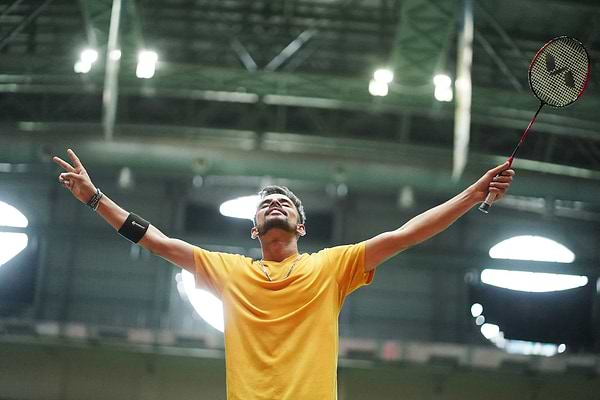
For one week every year, the whole badminton world looks in the same direction. From 17 to 23 August 2026, that direction is New Delhi, where the Indira Gandhi Arena hosts the BWF World Championships. It is a homecoming of sorts: the sport's biggest individual title has not been decided on Indian soil since 2009, and a country that now produces genuine contenders finally gets to watch them chase a world title in front of a home crowd.
If you have never paid much attention to the Championships before, this is a good year to start. Here is what makes the tournament tick, and why even a casual weekend player will find plenty to enjoy.
Why this edition matters
The World Championships are, along with the Olympics, the peak of the individual game. There is no team element to hide behind and no prize money table to soften the result. You either become world champion in your discipline or you do not. That clarity is part of the appeal.
Holding it in India adds a layer that numbers alone cannot capture. India has spent the last decade turning from an occasional threat into a fixture at the business end of major draws, and a passionate home gallery inside the Indira Gandhi Arena is likely to make Delhi one of the loudest editions in memory. Home advantage in badminton is real: the crowd noise, the familiar hall, the lack of travel fatigue. It rarely decides a title on its own, but on a tight evening it can tilt a deciding game.
The five titles up for grabs
Five world champions are crowned across the week: men's singles, women's singles, men's doubles, women's doubles and mixed doubles. Each has its own character. Singles rewards patience, movement and the nerve to build a rally over twenty or thirty shots. Doubles is faster and flatter, a game of reflexes and angles where rallies can be over in a blink. Mixed doubles, often the most watchable of the lot, is a tactical puzzle: traditionally the woman controls the front court while the man attacks from the back, though the best pairs blur those roles constantly.
If you are new to watching, mixed doubles is the easiest discipline to fall for. The patterns are quick to read, the momentum swings are dramatic, and the best rallies look like a conversation conducted at a hundred miles an hour.

Watch the shuttle, not just the players
One detail casual viewers miss: at this level every shuttle is a natural feather shuttlecock, not the nylon kind most of us grew up batting around the garden. Feather shuttles fly faster off the racket and decelerate more sharply, which is exactly what produces those steep, dropping net shots and the vicious change of pace that defines elite rallies. They are also delicate, which is why you will see players discard a shuttle after only a few points if a feather looks bent.
It is a nice thing to understand before you tune in, because so much of the tactical game is built around how the shuttle behaves. If you fancy trying a tube yourself, our shuttle buying guide explains the difference between feather and nylon and which speed suits your hall, and you can browse the full range of feather shuttles whenever you are curious. The Yonex Aerosensa AS30 in particular is a favourite of club and county players who want a taste of the real thing.
Storylines worth following
Beyond the trophies, a World Championships is really a collection of smaller stories. Watch for the veterans chasing one more title before the next generation takes over, the young players announcing themselves on the biggest stage for the first time, and the perennial rivalries that resume every time two familiar names land on the same side of the draw. Half the pleasure is picking a player early in the week and following them round by round.
And keep an eye on the seedings. Upsets are common in badminton because the margins are so fine, so a packed opening few days often reshuffles the draw before the quarter-finals even arrive.
From the stands to your local court
The best thing about watching the world's finest is how quickly it makes you want to play. Badminton is one of the most accessible racket sports there is: a local sports hall, a friend and a couple of rackets is all it takes to get going, and the learning curve is gentle enough to be fun from the very first session.
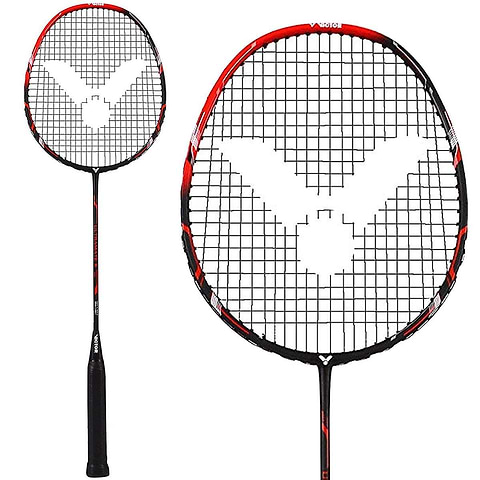
You do not need elite kit to enjoy it either. A light, forgiving racket and a set of durable shuttles will see most beginners through their first season happily, and there is time to get fussy about string tension and head balance later. If the Championships inspire you to pick up a racket, our rackets buying guide is a calm, jargon-light place to work out what suits you.
When and how to follow it
The action runs across seven days, building from the sprawling early rounds to the finals on Sunday 23 August. As with any knockout, the opening days are where the surprises tend to happen and the closing weekend is where the tension peaks. Pick a discipline, pick a player, and let the week carry you along. Whether the trophies end up staying in India or heading elsewhere, a World Championships in Delhi promises to be one worth watching.


